Small red, blue, or purple veins can make the legs look uneven, even when they are not causing major discomfort. Visual sclerotherapy is a minimally invasive treatment used to target spider veins and other small surface veins that are visible through the skin. By closing these veins with a carefully placed injection, the treatment helps the body gradually absorb them and create a clearer-looking skin appearance.
Hill Country Vein Center offers visual sclerotherapy for appropriate patients in New Braunfels, TX, and the San Antonio area. Because spider veins can sometimes be connected to deeper feeding veins or venous reflux, Dr. Mark Kneuper’s experience with office-based vein care helps patients understand whether visual treatment is enough or whether additional vein evaluation may be needed first.
What Is Visual Sclerotherapy?
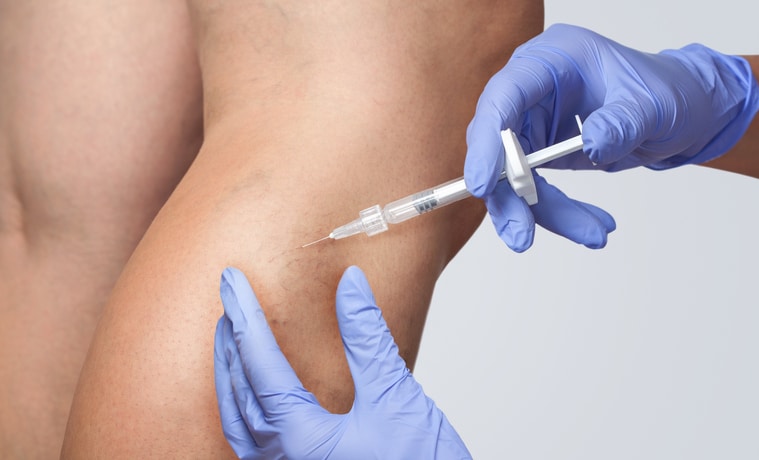
Visual sclerotherapy is an injection-based treatment for small veins visible on the skin’s surface. A fine needle is used to place a sclerosing solution into the targeted vein. The solution irritates the vein’s inner lining, causing it to close.
Once the vein closes, blood naturally reroutes through healthier veins. The treated vein then fades over time as the body absorbs it. Unlike ultrasound-guided foam sclerotherapy, which is used for deeper veins, visual sclerotherapy is performed by directly viewing the surface veins being treated.
What Does Visual Sclerotherapy Treat?
Visual sclerotherapy is most often used to cosmetically improve visible surface veins. It may also help with mild localized symptoms related to small veins, such as itching, burning, or tenderness.
Visual sclerotherapy may help treat:
-
Spider veins on the legs
-
Small visible surface veins
-
Selected small reticular veins
-
Residual visible veins after other vein treatments
-
Mild discomfort, burning, or itching near visible veins
-
Cosmetic concerns related to red, blue, or purple vein patterns
A consultation helps determine whether visual sclerotherapy is appropriate or whether ultrasound evaluation should be performed before treatment.
How Does Visual Sclerotherapy Work?
Visual sclerotherapy is performed in the office and usually does not require anesthesia. The treatment area is cleaned, and the provider identifies the visible veins for treatment. A small needle is then used to inject the sclerosing solution into the targeted veins.
The process generally includes:
-
Vein assessment to identify the visible veins being treated
-
Skin preparation before the injections
-
Fine-needle injection of the sclerosing solution
-
Compression or bandaging, when appropriate, after treatment
-
Walking and aftercare instructions to support circulation
-
Follow-up planning if multiple sessions are needed
Patients may feel a brief sting or mild discomfort during the injections. Treated veins fade gradually, and results can continue to improve over several weeks. Depending on the number and size of the veins, more than one session may be recommended.
Recovery After Visual Sclerotherapy
Recovery is usually simple. Most patients can return to normal daily activities shortly after treatment. Walking is often encouraged, while strenuous exercise, hot tubs, or prolonged sun exposure may need to be avoided for a short time, as directed by aftercare instructions.
Temporary redness, bruising, tenderness, firmness, or mild swelling can occur around treated veins. These effects typically improve as the veins fade. Compression stockings may be recommended to support healing and help improve treatment results.
The Benefits Of Visual Sclerotherapy
Visual sclerotherapy offers a non-surgical option to reduce the appearance of spider and small surface veins. The treatment is performed in the office, does not require incisions, and usually involves little downtime.
For many patients, the main benefit is clearer-looking skin and improved confidence in the appearance of the legs. When small veins cause mild burning, itching, or tenderness, treatment may also help reduce localized discomfort. Results are gradual and depend on the number of veins treated, vein size, and whether deeper vein issues are also present.
When To See A Vein Specialist
You should consider seeing a vein specialist if spider veins are spreading, causing discomfort, or accompanied by symptoms such as leg heaviness, swelling, aching, cramping, varicose veins, or skin discoloration. These signs may suggest that visible surface veins are part of a larger circulation issue.
A vein specialist can determine whether visual sclerotherapy is the right option or whether duplex ultrasound should be used to check for deeper venous reflux before cosmetic treatment.
Why Choose Hill Country Vein Center For Visual Sclerotherapy?
Visual sclerotherapy requires precision and a good understanding of how surface veins connect to the larger vein system. Hill Country Vein Center evaluates visible spider veins with attention to both cosmetic goals and possible underlying circulation concerns.
Dr. Mark Kneuper’s experience with vein treatment helps guide when visual sclerotherapy is appropriate and when deeper evaluation may lead to better long-term results. Patients receive clear guidance about the number of sessions they may need, what results to expect, and how treatment fits into their overall vein health.
Visual Sclerotherapy In New Braunfels, TX
Visual sclerotherapy can help improve the appearance of spider veins and small surface veins with a minimally invasive, office-based approach. If visible veins are affecting your comfort or confidence, Hill Country Vein Center in New Braunfels, TX, can help you understand your treatment options.
Call Hill Country Vein Center at (830) 625-6258 today to schedule a consultation. The practice serves patients from New Braunfels, San Antonio, and surrounding Hill Country communities through focused evaluation and visual sclerotherapy.