Vein symptoms are not always explained by what is visible on the surface. Leg swelling, aching, heaviness, skin changes, and visible veins may all indicate problems beneath the skin, including venous reflux, valve dysfunction, or changes in blood flow. Vein diagnostics and imaging help identify what is happening inside the veins so treatment can be based on the cause of the problem.
At Hill Country Vein Center, patients in New Braunfels, TX, and the San Antonio area receive diagnostic evaluation designed to guide clear, personalized treatment planning. Dr. Mark Kneuper’s background as a board-certified General Surgeon supports a careful approach to vein assessment, especially when symptoms may be linked to underlying circulatory concerns or may require minimally invasive treatment.
What Are Vein Diagnostics And Imaging?
Vein diagnostics and imaging are non-invasive tests used to evaluate vein structure, blood flow, and valve function. These tests help determine whether symptoms are related to chronic venous insufficiency, varicose veins, blood clots, venous reflux, or another circulatory issue.
The most common imaging tools used in vein care include duplex ultrasound, vein mapping, and reflux studies. Together, these tests help create a clearer picture of how blood is moving through the legs and which veins may need treatment.
Why Are Vein Diagnostics Important?
Accurate diagnosis is the foundation of effective vein treatment. Without imaging, it can be difficult to know whether visible veins are only a surface concern or part of a deeper circulation problem.
Vein diagnostics may help identify:
-
Venous reflux, or backward blood flow, caused by weak valves
-
Varicose veins and their connection to deeper vein problems
-
Chronic venous insufficiency
-
Blood clots or blockages that may need prompt attention
-
Veins contributing to swelling, pain, heaviness, or skin changes
-
The best treatment path for a patient’s specific vein anatomy
Imaging also helps avoid guesswork. By identifying the source of symptoms, the provider can recommend conservative care, minimally invasive treatment, monitoring, or referral when appropriate.
What Is Duplex Ultrasound?
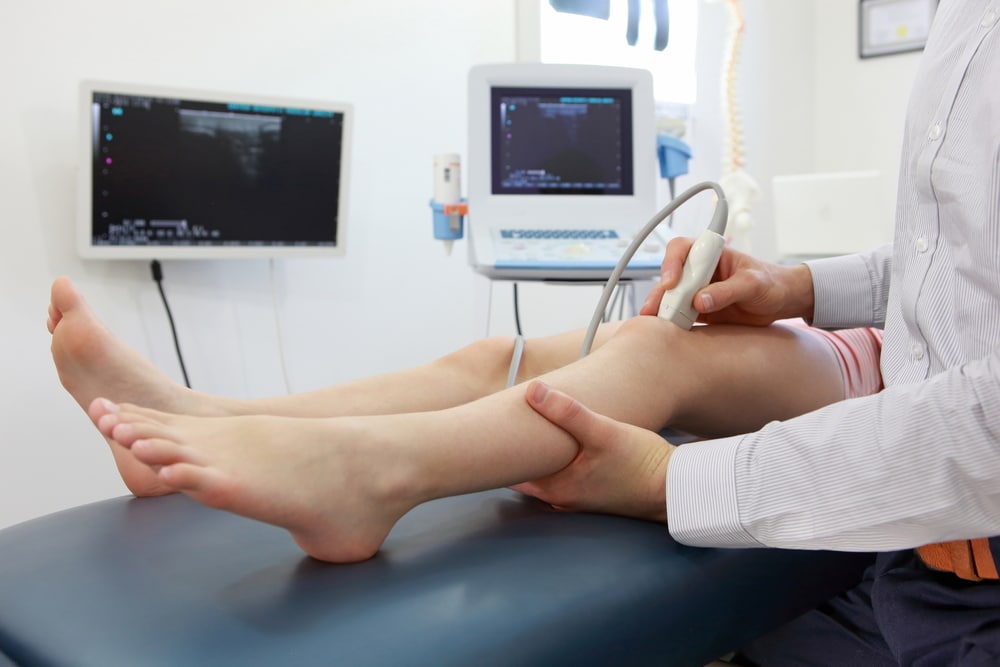
Duplex ultrasound is a non-invasive test that uses sound waves to evaluate the veins. It combines imaging of the vein structure with blood flow information, allowing the provider to see how well blood is moving through the leg veins.
During the test, gel is placed on the skin, and a handheld ultrasound probe is moved over the area being examined. The test is painless and does not require incisions or anesthesia. Duplex ultrasound may be used to evaluate reflux, vein size, valve function, blood flow direction, and possible clot concerns.
What Are Vein Mapping And Reflux Studies?
Vein mapping uses ultrasound to trace the course of important veins in the legs. This helps identify which veins are functioning well and which may be contributing to symptoms. Mapping is especially useful before treatment because it helps guide procedure planning.
Reflux studies focus on how the vein valves are working. When valves do not close properly, blood can flow backward and pool in the legs. This reflux can lead to varicose veins, swelling, aching, heaviness, and skin changes.
These studies are commonly used before treatments such as radiofrequency ablation, VenaSeal™ Closure, ultrasound-guided foam sclerotherapy, Varithena®, or ambulatory microphlebectomy.
The Benefits Of Vein Diagnostics And Imaging
Vein imaging helps patients understand the cause of their symptoms and provides the provider with the information needed to recommend the right next step. It can also help determine whether a symptom is likely vein-related or whether another medical evaluation may be needed.
Benefits may include earlier diagnosis, more accurate treatment planning, better identification of refluxing veins, and improved confidence before moving forward with care. For many patients, imaging provides the missing explanation for symptoms that have been dismissed as aging, fatigue, or cosmetic concerns.
When To See A Vein Specialist
You should consider seeing a vein specialist if you have leg swelling, aching, heaviness, cramping, visible varicose veins, spider veins, itching, skin discoloration, or slow-healing sores near the ankle. Symptoms that worsen after standing or sitting for long periods may also suggest a vascular circulation problem.
Seek prompt medical care for sudden one-sided swelling, severe leg pain, redness, warmth, chest pain, or shortness of breath. These symptoms may require urgent evaluation.
Why Choose Hill Country Vein Center For Vein Diagnostics And Imaging?
Diagnostic imaging is where an effective vein treatment plan begins. Hill Country Vein Center uses ultrasound-based evaluation to look beyond visible symptoms and identify whether reflux, valve problems, or other circulation issues are contributing to a patient’s condition.
Dr. Mark Kneuper’s surgical background and experience with office-based vein care help connect diagnostic findings with practical treatment recommendations. Patients receive clear explanations of their imaging results, why they matter, and which options may best fit their symptoms, anatomy, and long-term vein health.
Vein Diagnostics And Imaging In New Braunfels, TX
Vein diagnostics and imaging can help identify the cause of leg swelling, pain, heaviness, visible veins, and skin changes. If you are experiencing symptoms of vein disease, Hill Country Vein Center in New Braunfels, TX, can provide the evaluation needed to guide your next step.
Call Hill Country Vein Center at (830) 625-6258 today to schedule a consultation. The practice serves patients from New Braunfels, San Antonio, and surrounding Hill Country communities with focused vein diagnostics, imaging, and treatment planning.