Some varicose veins sit close to the skin’s surface and remain visible or uncomfortable even after larger underlying veins have been treated. Ambulatory microphlebectomy is a minimally invasive procedure used to remove these surface varicose veins through very small openings in the skin. It can help improve the appearance of the legs while also relieving symptoms such as aching, tenderness, heaviness, or localized discomfort.
Hill Country Vein Center offers ambulatory microphlebectomy for appropriate patients in New Braunfels, TX, and the San Antonio area. Because this treatment involves the direct removal of visible surface veins, Dr. Mark Kneuper’s background as a board-certified General Surgeon is especially relevant. His surgical training and experience with office-based vein care support precise treatment planning and careful technique.
What Is Ambulatory Microphlebectomy?
Ambulatory microphlebectomy is an in-office vein procedure used to remove selected superficial varicose veins. Instead of using long incisions or traditional vein stripping, the procedure uses tiny punctures in the skin and a small specialized instrument to gently remove the affected vein.
This treatment is often used for bulging varicose veins that are too large or raised to respond well to injection treatment alone. It may also be recommended after another procedure, such as radiofrequency ablation or VenaSeal™ Closure, has treated the underlying refluxing vein.
What Does Ambulatory Microphlebectomy Treat?
Ambulatory microphlebectomy is most often used for surface varicose veins that are visible, raised, or symptomatic. It can be part of a broader treatment plan for vein disease or used when specific veins remain after prior care.
Ambulatory microphlebectomy may help treat:
-
Bulging superficial varicose veins
-
Varicose veins that remain after treatment of larger refluxing veins
-
Localized vein tenderness or discomfort
-
Surface veins that cause aching, heaviness, or irritation
-
Selected varicose veins that are not ideal for sclerotherapy alone
A consultation and ultrasound evaluation help determine whether microphlebectomy is appropriate or whether another treatment should be performed first.
How Does Ambulatory Microphlebectomy Work?
Before the procedure, the targeted veins are usually marked while the patient is standing, making the raised veins easier to identify. The treatment area is then cleaned and numbed with local anesthesia.
The procedure generally includes:
-
Vein marking to identify the surface veins being removed
-
Local anesthesia to numb the treatment area
-
Tiny skin openings made near the targeted vein
-
Gentle vein removal using a small specialized instrument
-
Bandaging and compression to support healing after treatment
-
Walking and aftercare instructions to encourage healthy circulation
The small openings usually do not require stitches. Most patients are able to walk shortly after the procedure and return to normal light activity quickly, depending on their individual instructions.
Recovery After Ambulatory Microphlebectomy
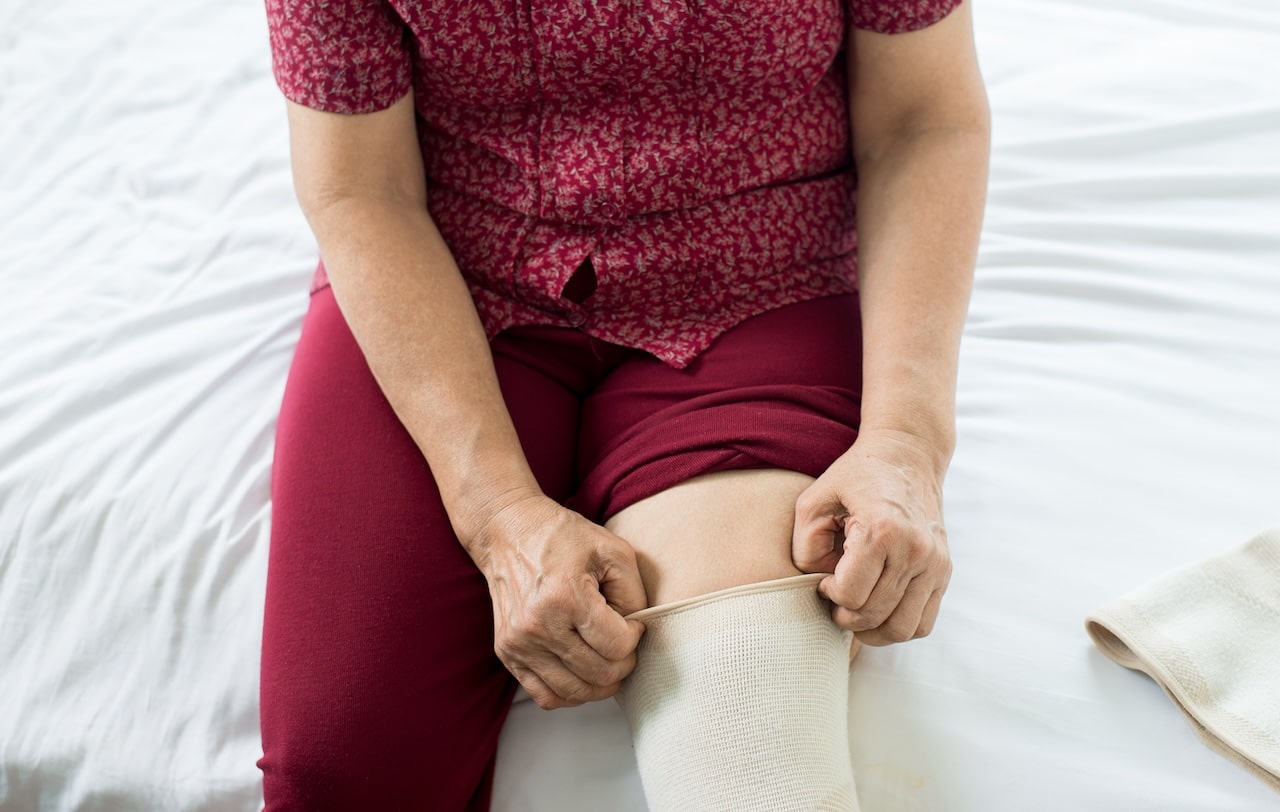
Recovery is typically straightforward. Patients may be asked to wear compression stockings for a period of time after treatment to reduce swelling, support healing, and improve comfort. Walking is usually encouraged, while strenuous activity may need to be avoided briefly.
Mild bruising, tenderness, swelling, or firmness near the treated areas can occur and usually improves with time. Because the openings are very small, scarring is typically minimal. Final cosmetic improvement continues as bruising fades and the treated areas heal.
The Benefits Of Ambulatory Microphlebectomy
Ambulatory microphlebectomy can provide direct improvement in raised-surface varicose veins. Because the targeted veins are physically removed, patients may notice an immediate change in the treated area, with continued improvement as healing progresses.
Potential benefits include relief from localized discomfort, improved leg appearance, minimal downtime, no general anesthesia, and treatment through very small skin openings. For patients with prominent surface veins, microphlebectomy can be an effective option when other treatments are not the best fit for that specific vein pattern.
When To See A Vein Specialist
You should consider seeing a vein specialist if you have raised, bulging, painful, or tender varicose veins. Symptoms such as leg heaviness, aching, swelling, itching, cramping, or skin discoloration may suggest an underlying circulation issue that should be evaluated before treatment.
A vein specialist can determine whether the visible surface veins are the main concern or whether deeper refluxing veins should be treated first.
Why Choose Hill Country Vein Center For Ambulatory Microphlebectomy?
Ambulatory microphlebectomy is a hands-on procedure where technique matters. The goal is to remove selected surface veins through very small openings while supporting both comfort and cosmetic healing.
Dr. Mark Kneuper’s board certification in General Surgery and Fellowship in the American College of Surgeons give him a strong procedural foundation for this type of vein treatment. At Hill Country Vein Center, patients receive evaluation, vein mapping when needed, and treatment planning designed to determine when microphlebectomy is the right option for visible, symptomatic surface veins.
Ambulatory Microphlebectomy In New Braunfels, TX
Ambulatory microphlebectomy can help remove raised-surface varicose veins that affect comfort, appearance, or daily activities. If you are bothered by bulging varicose veins, Hill Country Vein Center in New Braunfels, TX, can help determine whether this procedure is right for you.
Call Hill Country Vein Center at (830) 625-6258 today to schedule a consultation. The practice serves patients from New Braunfels, San Antonio, and surrounding Hill Country communities, providing focused evaluation and treatment of varicose veins.