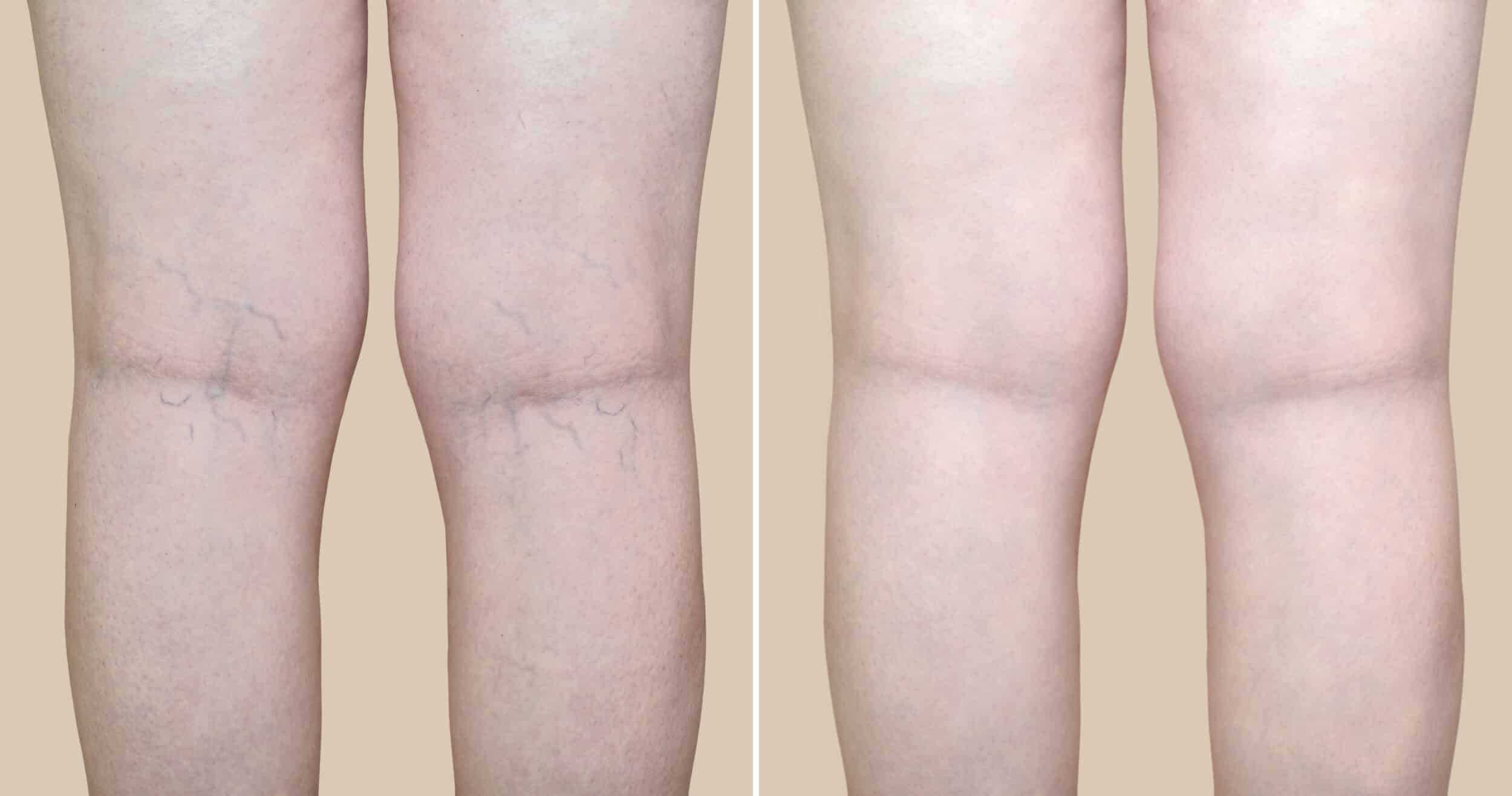
Vein disease can present in various ways, from visible varicose and spider veins to swelling, heaviness, aching, skin discoloration, or slow-healing wounds. Because these symptoms can come from different types of vein problems, effective treatment starts with understanding the cause. Hill Country Vein Center provides minimally invasive vein treatments designed to improve circulation, reduce discomfort, and support long-term leg health.
At Hill Country Vein Center in New Braunfels, TX, patients from New Braunfels, San Antonio, and surrounding Hill Country communities receive care from Dr. Mark Kneuper, a board-certified General Surgeon with decades of experience serving the local community. His special interest in office-based management of varicose veins helps guide treatment planning that is practical, personalized, and focused on each patient’s symptoms, ultrasound findings, and goals.
Advanced Vein Treatment Options
Hill Country Vein Center offers a range of diagnostic and treatment options for patients with vein disease. The right approach depends on the veins involved, the severity of symptoms, and whether the issue is cosmetic, medical, or both.
Endovenous Radiofrequency Ablation
Endovenous radiofrequency ablation, or RFA, uses controlled heat energy to close diseased veins that are causing venous reflux. Once the vein is closed, blood reroutes through healthier veins. RFA may help reduce varicose veins, swelling, aching, heaviness, and fatigue.
VenaSeal™ Closure
VenaSeal™ Closure is a non-thermal treatment that uses a medical adhesive to seal certain problem veins. Because it does not use heat, it may be a good option for selected patients based on vein anatomy and ultrasound findings.
Ultrasound-Guided Foam Sclerotherapy
Ultrasound-guided foam sclerotherapy uses imaging guidance to place a foam solution into targeted veins beneath the surface. This treatment may be used for deeper veins, residual veins, or veins that are not easily treated by visual guidance alone.
Ambulatory Microphlebectomy
Ambulatory microphlebectomy removes selected surface varicose veins through very small openings in the skin. It is often used for bulging veins that remain visible or uncomfortable after underlying reflux has been addressed.
Varithena® Treatment
Varithena® is an injectable polidocanol microfoam used to close certain refluxing veins. It may be helpful for selected varicose veins, branching veins, or veins that are not ideal for heat-based treatment.
Compression Therapy And Conservative Care
Compression therapy and conservative care may include medical-grade compression stockings, walking, leg elevation, and activity changes. These options can help manage symptoms, support circulation, and complement other vein treatments.
Duplex Ultrasound
Duplex ultrasound is a non-invasive diagnostic test that evaluates vein structure and blood flow. It helps identify reflux, valve problems, clot concerns, and other circulation issues that may be contributing to symptoms.
Vein Mapping And Reflux Studies
Vein mapping and reflux studies provide a detailed view of the leg veins and how blood flows through them. These studies help guide treatment planning and identify which veins should be treated first.
Visual Sclerotherapy
Visual sclerotherapy treats spider veins and small surface veins using carefully placed injections. It is often used for cosmetic improvement and may also help with mild localized symptoms such as itching, burning, or tenderness.
The Benefits Of Vein Treatment
Vein treatment can improve more than the appearance of the legs. When symptoms are caused by venous reflux or other vein problems, treating the affected veins may help patients feel more comfortable during daily activities.
Potential benefits may include:
-
Reduced leg aching, heaviness, swelling, or fatigue
-
Improved circulation through healthier veins
-
Better appearance of varicose veins, spider veins, or surface veins
-
Less discomfort with standing, walking, working, or exercising
-
Lower risk of worsening skin changes or venous complications
-
A treatment plan based on diagnostic imaging rather than guesswork
Because every patient’s vein pattern is different, evaluation is an important part of choosing the right option.
When To See A Vein Specialist
You should consider seeing a vein specialist if you have visible varicose veins, spider veins, leg swelling, heaviness, aching, cramping, itching, skin discoloration, or slow-healing sores near the ankle. Symptoms that worsen after prolonged standing or sitting may be signs of venous insufficiency.
A vein specialist can perform diagnostic imaging, explain the cause of your symptoms, and recommend whether conservative care, minimally invasive treatment, or monitoring is appropriate.
Why Choose Hill Country Vein Center For Vein Treatments?
Choosing the right vein treatment depends on accurate diagnosis, careful procedure selection, and a clear understanding of the patient’s symptoms. Hill Country Vein Center offers both diagnostic imaging and minimally invasive treatment options, allowing care to be planned around the source of the problem.
Dr. Mark Kneuper’s background as a board-certified General Surgeon and Fellow of the American College of Surgeons supports a procedure-focused approach to vein care. His experience with office-based management of varicose veins helps patients compare treatment options and move forward with a plan designed for long-term leg comfort and vein health.
Vein Treatments In New Braunfels, TX
Hill Country Vein Center in New Braunfels, TX, provides focused evaluation and treatment of varicose and spider veins, swelling, leg discomfort, skin changes, and other signs of vein disease. The practice serves patients from New Braunfels, San Antonio, and surrounding Hill Country communities.
Call Hill Country Vein Center at (830) 625-6258 today to schedule a consultation and learn which vein treatment option may be right for your symptoms and goals.