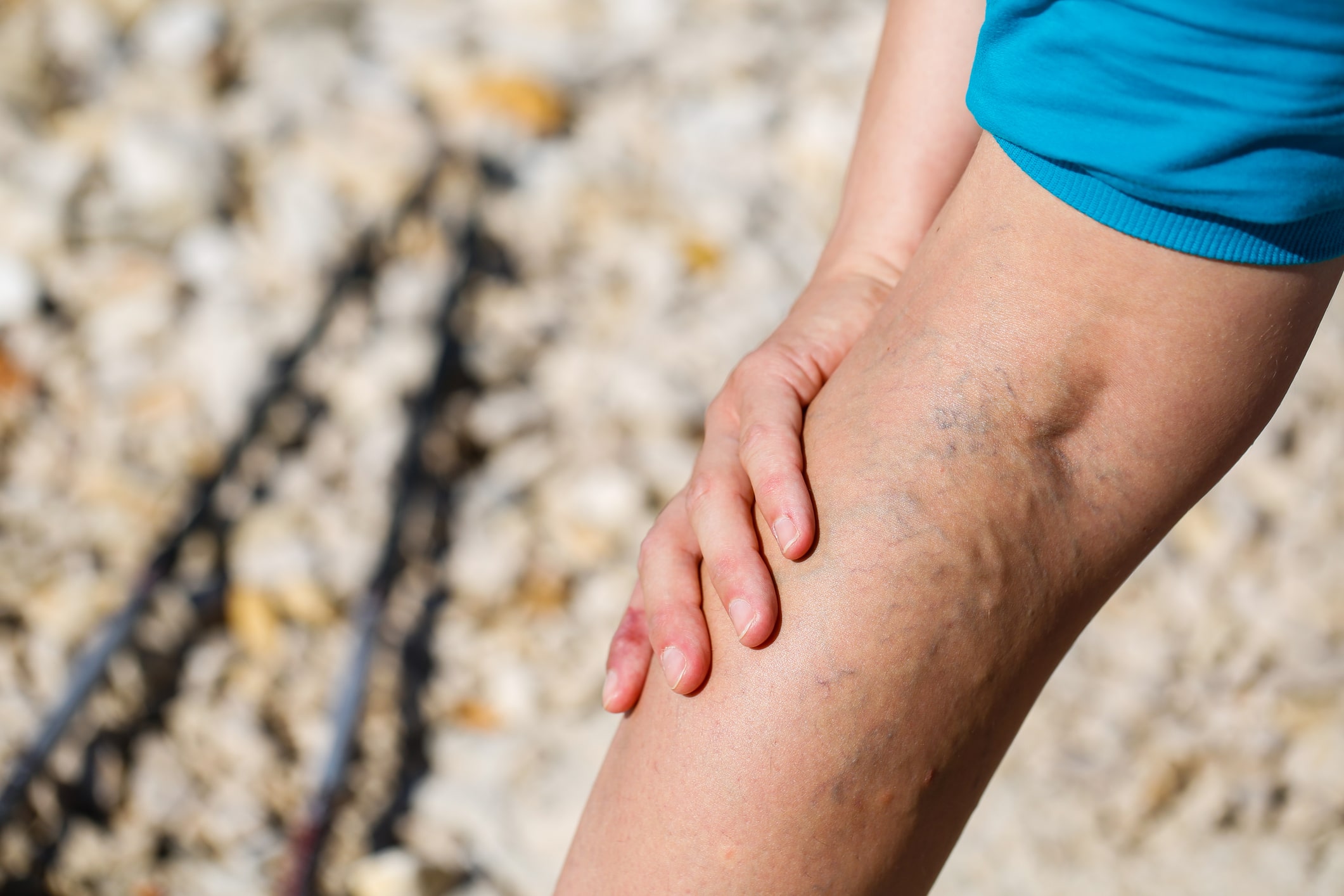
A tender, red, warm, or cord-like vein near the surface of the skin can be a sign of superficial thrombophlebitis. This condition occurs when a blood clot forms in a superficial vein, causing inflammation along the vein. It most often affects the legs and may be uncomfortable when walking, standing, or touching the affected area.
At Hill Country Vein Center, patients in New Braunfels, TX, and the San Antonio area receive focused evaluation for superficial thrombophlebitis and related vein concerns. Because symptoms can sometimes resemble or occur alongside more serious clotting problems, Dr. Mark Kneuper’s background as a board-certified General Surgeon helps guide careful assessment, appropriate imaging, and treatment planning focused on safety and long-term vein health.
What Is Superficial Thrombophlebitis?
Superficial thrombophlebitis is inflammation of a vein located close to the surface of the skin. It usually develops when a small clot forms in a vein, leading to redness, tenderness, warmth, swelling, or a firm, rope-like feeling under the skin.
Although superficial thrombophlebitis is often less dangerous than deep vein thrombosis, it still deserves medical attention. Evaluation is important for confirming the diagnosis, assessing the extent of the clot, and determining whether deeper veins are involved. This is especially important when symptoms are severe, spreading, or located near larger vein connections.
What Causes Superficial Thrombophlebitis?
Superficial thrombophlebitis can happen when blood flow slows or a vein becomes irritated. Varicose veins are a common risk factor because enlarged, poorly functioning veins can allow blood to pool, increasing the chance of clotting and inflammation.
Other possible contributors include prolonged sitting or standing, recent injury, surgery, pregnancy, hormone-related changes, prior blood clots, vein procedures, or irritation from an IV line. Some patients may also have underlying venous insufficiency that contributes to recurrent inflammation of the surface veins.
How Is Superficial Thrombophlebitis Treated?
Treatment begins with an accurate diagnosis. At Hill Country Vein Center, evaluation may include a physical exam and a duplex ultrasound to assess the affected vein, confirm the clot location, and, when needed, rule out deeper clot involvement.
Depending on your symptoms and ultrasound findings, treatment may include:
-
Compression therapy to support circulation and reduce tenderness or swelling
-
Warm compresses and leg elevation to help ease localized discomfort
-
Anti-inflammatory medication guidance, when appropriate, to reduce pain and inflammation
-
Walking and activity recommendations to encourage healthy blood flow
-
Ultrasound monitoring, if the clot location or symptoms require follow-up
-
Treatment for underlying vein disease, such as radiofrequency ablation, VenaSeal™ Closure, or ultrasound-guided foam sclerotherapy, when varicose veins or venous reflux contribute to the problem
Most cases improve with proper care, but recurrent symptoms may point to an underlying vein condition that should be addressed to reduce future episodes.
The Benefits Of Superficial Thrombophlebitis Treatment
Treatment can help reduce pain, redness, warmth, swelling, and tenderness along the affected vein. It can also help patients return to walking, working, and daily activities with less discomfort.
A careful evaluation provides important peace of mind by helping distinguish superficial vein inflammation from more serious clotting concerns. When superficial thrombophlebitis is linked to varicose veins or venous insufficiency, treating the underlying vein problem may help reduce the risk of recurrence.
When To See A Vein Specialist
You should consider seeing a vein specialist if you notice a painful, red, warm, swollen, or firm vein near the surface of the skin. Evaluation is especially important if the symptoms are spreading, recurring, or associated with varicose veins, leg swelling, or heaviness.
Seek urgent medical care if you develop sudden leg swelling, severe pain, chest pain, shortness of breath, or symptoms that affect one leg significantly more than the other. These symptoms may require immediate evaluation for a deeper clot or other medical concern.
Why Choose Hill Country Vein Center For Superficial Thrombophlebitis Treatment?
Superficial thrombophlebitis requires careful judgment because symptoms can overlap with other clotting and circulation problems. Hill Country Vein Center evaluates the affected vein, related symptoms, and possible underlying venous reflux before recommending care.
Dr. Mark Kneuper is a board-certified General Surgeon with decades of experience serving patients in New Braunfels. His surgical training is especially relevant when assessing clot-related symptoms, inflammation, and when ultrasound evaluation is needed to guide safe treatment decisions. Hill Country Vein Center provides focused vein care for patients in New Braunfels, San Antonio, and nearby communities.
Superficial Thrombophlebitis Treatment In New Braunfels, TX
Superficial thrombophlebitis can cause pain, redness, tenderness, and concern about your vein health. If you notice a firm, inflamed, or painful vein near the skin’s surface, Hill Country Vein Center in New Braunfels, TX can help evaluate your symptoms and determine the next step.
Call Hill Country Vein Center at (830) 625-6258 today to schedule a consultation. The practice serves patients from New Braunfels, San Antonio, and surrounding Hill Country communities, providing focused evaluation and treatment of superficial thrombophlebitis.