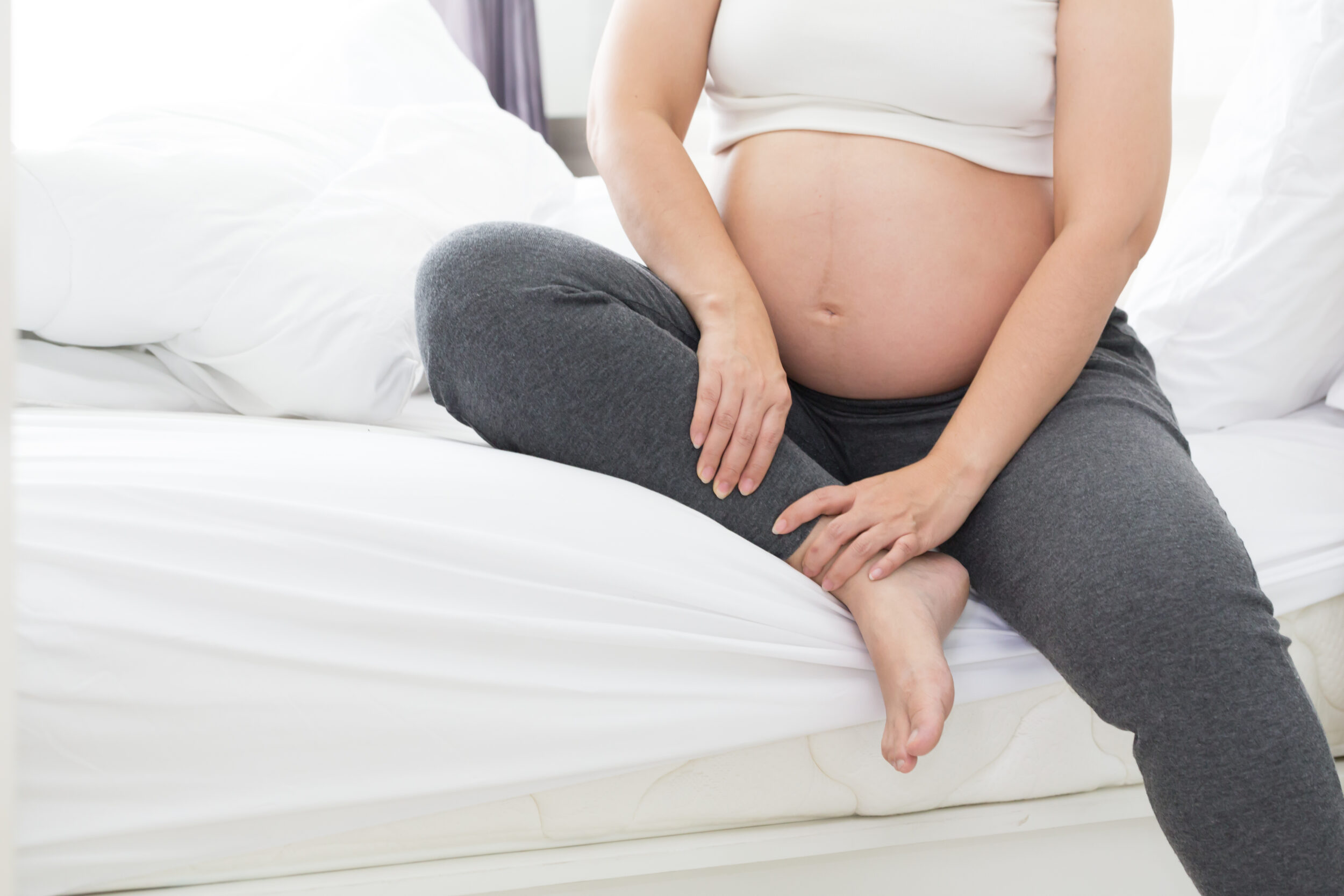
Varicose veins after pregnancy can be frustrating, uncomfortable, and difficult to predict. Some veins improve in the months after delivery, while others remain enlarged, visible, or painful. Postpartum varicose veins may affect the legs or pelvic area and can cause aching, swelling, heaviness, throbbing, or tenderness during an already busy stage of recovery.
At Hill Country Vein Center, patients in New Braunfels, TX, and the San Antonio area receive focused evaluation for vein conditions that develop or worsen after pregnancy. Dr. Mark Kneuper is a board-certified General Surgeon with decades of experience serving New Braunfels, and his office-based approach to vein care helps postpartum patients understand whether lingering symptoms are likely to improve on their own or need treatment.
What Are Postpartum Varicose Veins?
Postpartum varicose veins are enlarged veins that remain after pregnancy or become more noticeable after delivery. They may appear as raised, twisted, blue or purple veins on the legs, or they may be associated with heaviness, swelling, aching, itching, or leg fatigue.
Pregnancy-related vein changes can improve as hormone levels shift and pressure on the pelvic veins decreases. However, some veins stay stretched or continue to function poorly after childbirth. When symptoms persist, a vein evaluation can help determine whether venous insufficiency is contributing to the problem.
What Causes Postpartum Varicose Veins?
Pregnancy affects circulation in several ways. Blood volume increases, hormone changes can relax vein walls, and the growing uterus places pressure on the veins in the pelvis and legs. These changes can make it harder for blood to move upward toward the heart.
After delivery, the body gradually adjusts, but weakened vein valves or stretched vein walls may not fully recover. Risk factors include family history of varicose veins, multiple pregnancies, prolonged standing or sitting, pregnancy-related swelling, excess pressure on the legs, and varicose veins that were present before pregnancy.
How Are Postpartum Varicose Veins Treated?
Treatment depends on symptoms, timing after delivery, medical history, and whether a patient is breastfeeding or planning another pregnancy. At Hill Country Vein Center, the evaluation may include a physical exam and a duplex ultrasound to assess for venous reflux and identify which veins are contributing to symptoms.
Depending on the diagnosis, treatment may include:
-
Compression therapy to reduce swelling, heaviness, and discomfort
-
Walking, leg elevation, and activity guidance to support circulation during recovery
-
Endovenous radiofrequency ablation to close diseased veins causing reflux
-
VenaSeal™ Closure to seal certain problem veins with medical adhesive
-
Ultrasound-guided foam sclerotherapy or Varithena® to treat selected veins affected by poor circulation
-
Ambulatory microphlebectomy to remove certain surface varicose veins through very small openings in the skin
Many treatments are performed in the office with minimal downtime. The right timing for treatment varies, so consultation helps patients understand when it makes sense to monitor symptoms and when treatment may be recommended.
The Benefits Of Postpartum Varicose Vein Treatment
Treating postpartum varicose veins can help reduce aching, swelling, heaviness, throbbing, and leg fatigue. It may also improve the appearance of visible veins and help patients feel more comfortable returning to daily routines, exercise, work, and caring for their family.
When varicose veins are caused by venous insufficiency, treatment can also help reduce the risk of worsening symptoms over time. Addressing the underlying vein problem may support long-term leg comfort and circulation beyond the postpartum period.
When To See A Vein Specialist
You should consider seeing a vein specialist if varicose veins remain painful, swollen, or bothersome after pregnancy. Symptoms such as leg heaviness, aching, itching, cramping, swelling, or skin discoloration should also be evaluated, especially if they worsen over the course of the day.
Seek prompt medical attention for sudden one-sided swelling, severe pain, redness, warmth, chest pain, or shortness of breath. These symptoms may require urgent evaluation for a blood clot or another medical concern.
Why Choose Hill Country Vein Center For Postpartum Varicose Vein Treatment?
Postpartum vein care should account for pregnancy-related circulation changes, recovery timing, and each patient’s symptoms. Hill Country Vein Center provides careful evaluation to determine whether varicose veins are improving naturally or are connected to ongoing venous reflux.
Dr. Mark Kneuper’s experience with office-based varicose vein management helps guide treatment planning for patients dealing with persistent symptoms after childbirth. His long-standing presence in New Braunfels gives postpartum patients access to focused vein care close to home, with treatment recommendations based on ultrasound findings and individual recovery needs.
Postpartum Varicose Vein Treatment In New Braunfels, TX
Postpartum varicose veins can affect comfort, confidence, and daily life after pregnancy. If visible veins, swelling, aching, or heaviness have continued after childbirth, Hill Country Vein Center in New Braunfels, TX, can help you understand your options.
Call Hill Country Vein Center at (830) 625-6258 today to schedule a consultation. The practice serves patients from New Braunfels, San Antonio, and surrounding Hill Country communities, providing focused evaluation and treatment of postpartum varicose veins.