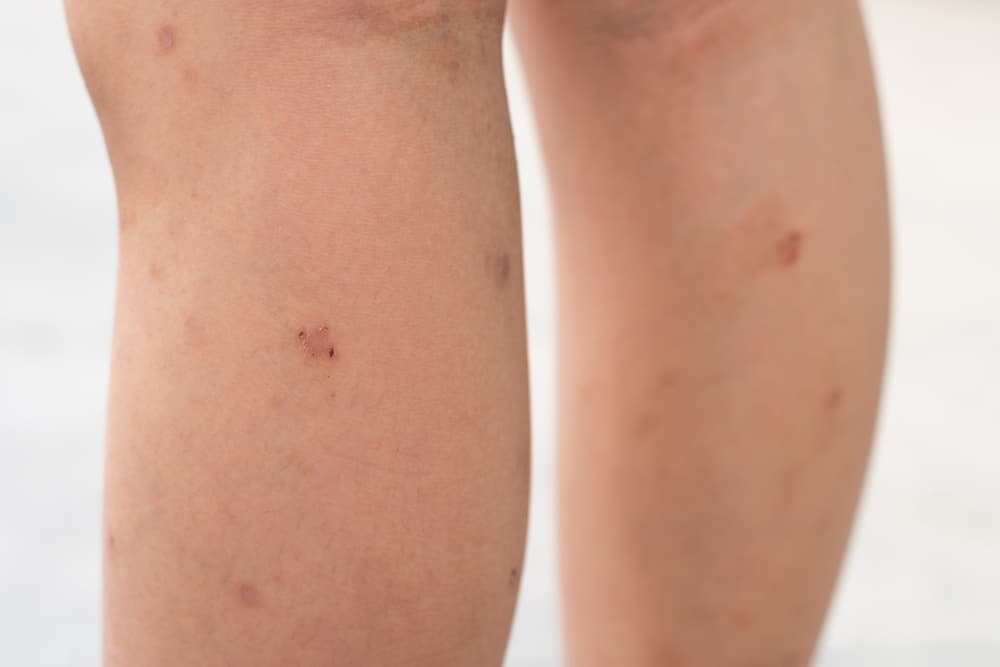
Itching and skin discoloration on the lower legs can be frustrating, uncomfortable, and easy to mistake for a simple skin problem. Some people notice dry, irritated skin around the ankles, while others develop reddish-brown discoloration, dark patches, scaling, or tenderness. When these symptoms keep returning or continue to worsen, they may be related to poor vein circulation rather than the skin alone.
At Hill Country Vein Center, patients in New Braunfels, TX, and the San Antonio area receive a focused evaluation of skin symptoms that may be related to vein disease. Care is led by Dr. Mark Kneuper, a board-certified General Surgeon with decades of experience serving the New Braunfels community. His background in vein management helps patients determine whether itching, inflammation, or discoloration may be due to chronic venous insufficiency or another circulatory issue.
What Are Itching And Skin Discoloration?
Itching and skin discoloration can develop when the skin and soft tissues of the lower legs are affected by poor circulation. Patients may notice irritation around the ankles, dry or flaky skin, redness, darkening, or a brownish stain-like appearance. The area may feel tight, sensitive, or inflamed.
These symptoms may appear gradually and can be easy to overlook at first. However, skin changes in the lower legs can be an important sign that pressure is building inside the veins. Without treatment, the skin may become thicker, more fragile, or more prone to wounds.
What Causes Itching And Skin Discoloration?
One common cause is chronic venous insufficiency. This occurs when the valves inside the leg veins weaken and allow blood to pool in the lower legs. As pressure rises, fluid and inflammatory substances can leak into nearby tissues, irritating the skin and causing visible color changes.
Other contributing factors may include varicose veins, prior blood clots, leg swelling, prolonged standing or sitting, pregnancy, aging, and family history of vein disease. Skin discoloration near the ankles is especially important to evaluate because it can be linked to ongoing venous pressure.
How Are Itching And Skin Discoloration Treated?
Treatment begins with identifying whether vein disease is contributing to the skin changes. At Hill Country Vein Center, evaluation may include a symptom review, physical exam, and duplex ultrasound when venous insufficiency is suspected. Ultrasound can help locate refluxing veins that may be raising pressure in the lower legs.
Depending on the cause, treatment may include:
-
Compression therapy to support circulation and reduce swelling or inflammation
-
Walking, leg elevation, and activity changes to encourage better blood flow
-
Endovenous radiofrequency ablation to close diseased veins causing reflux
-
VenaSeal™ Closure to seal certain problem veins with medical adhesive
-
Ultrasound-guided foam sclerotherapy or Varithena® to treat selected veins contributing to poor circulation
-
Skin care guidance to help protect irritated or fragile skin during vein treatment
The goal is to treat the circulation problem contributing to the skin symptoms, not just cover the discoloration or temporarily calm itching.
The Benefits Of Itching And Skin Discoloration Treatment
Treating vein-related itching and discoloration may help reduce irritation, inflammation, heaviness, swelling, and skin sensitivity. Improved circulation can also help protect the skin from worsening damage caused by ongoing venous pressure.
Early treatment is important because untreated vein disease can lead to more serious skin changes, including thickened skin, lipodermatosclerosis, and venous ulcers. Addressing the underlying cause gives patients a better chance of protecting long-term leg health and comfort.
When To See A Vein Specialist
You should consider seeing a vein specialist if itching, redness, or discoloration appears around the ankles or lower legs and does not go away. Symptoms that occur with swelling, heaviness, aching, varicose veins, skin thickening, or slow-healing sores should also be evaluated.
Prompt evaluation is especially important if the skin becomes painful, warm, open, or infected. These changes may require additional medical attention.
Why Choose Hill Country Vein Center For Itching And Skin Discoloration Treatment?
Lower-leg itching and discoloration can be signs that vein disease is beginning to affect the skin, not just the veins. Hill Country Vein Center evaluates these changes with attention to circulation, swelling, inflammation, and the risk of progression to more serious skin problems.
Dr. Mark Kneuper’s background as a board-certified General Surgeon provides a strong foundation for recognizing when skin changes may indicate underlying medical concerns. For patients in New Braunfels, San Antonio, and surrounding communities, Hill Country Vein Center provides careful vein evaluation and treatment planning to protect long-term leg health.
How Vein Disease Can Change The Skin Over Time
Skin changes caused by vein disease often develop gradually. At first, the lower legs or ankles may feel itchy, dry, or irritated. Over time, patients may notice darker brown or reddish areas, more persistent inflammation, or skin that feels firmer, thicker, or more sensitive than the surrounding tissue.
These changes can happen when ongoing pressure in the veins continues to affect the skin and nearby tissues. If the circulation problem progresses, the skin may become more fragile and less able to recover from minor irritation or injury. In more advanced cases, open sores known as venous ulcers can develop.
Evaluating these changes early can help determine whether vein disease is affecting the skin and whether treatment may help prevent the problem from getting worse.”
Frequently Asked Questions
Some discoloration may improve after the underlying vein problem is treated, but changes in skin color do not always disappear completely. The degree of improvement can depend on how long the discoloration has been present, how much inflammation or tissue change has occurred, and the severity of the circulation problem.
Treating venous insufficiency can help reduce continued pressure on the skin and may help prevent further progression.
The ankles and lower legs are especially vulnerable to increased venous pressure because blood must travel upward against gravity to return to the heart. When vein valves don’t work effectively, pressure can build in these lower areas. This can contribute to inflammation, dryness, irritation, and visible changes in skin color.
Yes. Vein-related itching may fluctuate depending on activity level, swelling, time spent standing or sitting, and changes in venous pressure throughout the day. Symptoms may feel more noticeable at certain times even when the underlying circulation problem is ongoing.
Recurrent itching in the same lower-leg area may warrant evaluation, especially when it occurs with other skin changes.
Moisturizers may help reduce dryness and support the skin barrier, but topical products do not correct an underlying circulation problem. Some creams may also irritate already sensitive skin.
Patients with persistent itching, discoloration, scaling, or fragile skin should have the area evaluated before relying on long-term topical treatment alone.
Yes. Some patients develop itching, discoloration, dryness, or other skin changes without significant aching or pain. Vein disease can affect patients differently, and visible changes around the ankles or lower legs may be an important sign even when discomfort is mild.
Itching And Skin Discoloration Treatment In New Braunfels, TX
Itching and skin discoloration may be signs that circulation in your legs needs attention. If you have ongoing irritation, redness, dark patches, ankle discoloration, or skin changes, Hill Country Vein Center in New Braunfels, TX, can help determine whether vein disease is contributing to your symptoms.
Call Hill Country Vein Center at (830) 625-6258 today to schedule a consultation. The practice serves patients from New Braunfels, San Antonio, and surrounding Hill Country communities with focused evaluation and treatment for itching and skin discoloration.