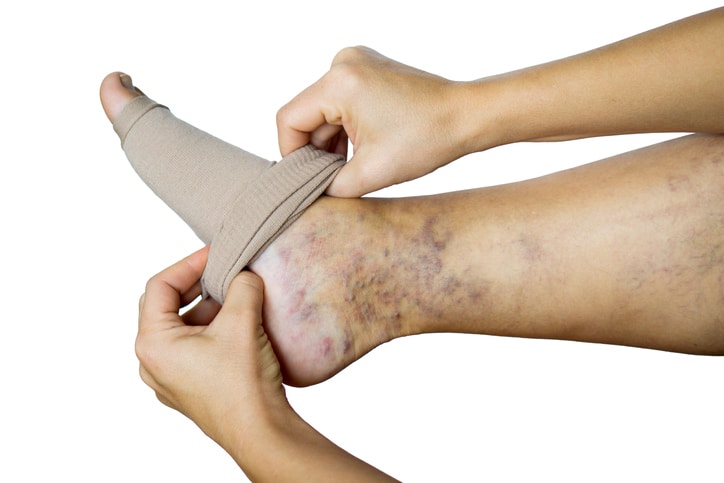
Skin that becomes firm, tight, discolored, or painful around the lower legs may be a sign that vein disease has progressed beyond visible veins or swelling. Lipodermatosclerosis is a chronic skin and tissue change that can develop when poor vein circulation causes long-term inflammation in the lower legs. It most often affects the area above the ankles and may make the skin feel hardened, tender, or pulled tight.
At Hill Country Vein Center, patients in New Braunfels, TX, and the San Antonio area receive focused evaluation for skin changes that may be related to chronic venous insufficiency. Dr. Mark Kneuper’s background as a board-certified General Surgeon is especially relevant for patients with more advanced vein-related skin concerns, where circulation, tissue health, inflammation, and wound risk all need to be carefully considered.
What Is Lipodermatosclerosis?
Lipodermatosclerosis is a condition that affects the skin and tissue of the lower legs. It can cause the skin to become thickened, firm, tender, red, brown, or darker than the surrounding skin. Some patients also notice swelling, itching, aching, or a narrowed “inverted champagne bottle” shape near the lower leg and ankle.
This condition is often associated with long-standing vein disease. When pressure remains high in the lower leg veins over time, the skin and tissues can become inflamed and damaged. Lipodermatosclerosis can be uncomfortable on its own and may also increase the risk of venous ulcers if the underlying circulatory problem is not addressed.
What Causes Lipodermatosclerosis?
Lipodermatosclerosis is most often caused by chronic venous insufficiency. In healthy veins, small valves help blood move upward from the legs toward the heart. When these valves weaken or fail, blood can flow backward and pool in the lower legs.
This pooling increases pressure inside the veins. Over time, fluid and inflammatory substances can leak into nearby tissues, leading to swelling, irritation, skin discoloration, and hardening. Risk factors may include varicose veins, chronic leg swelling, prior blood clots, leg injury, prolonged standing or sitting, aging, and family history of vein disease.
How Is Lipodermatosclerosis Treated?
Treatment focuses on improving vein circulation, reducing pressure in the lower legs, supporting the skin, and helping prevent complications. At Hill Country Vein Center, evaluation may include a physical exam and a duplex ultrasound to assess for venous reflux or diseased veins that may contribute to the skin changes.
Depending on your condition, treatment may include:
-
Compression therapy to reduce swelling and support circulation
-
Walking, leg elevation, and activity changes to improve blood flow and reduce pressure
-
Endovenous radiofrequency ablation to close diseased veins causing reflux
-
VenaSeal™ Closure to seal certain problem veins with medical adhesive
-
Ultrasound-guided foam sclerotherapy or Varithena® to treat selected veins contributing to venous pressure
-
Skin care guidance to help protect irritated, thickened, or fragile skin
Because lipodermatosclerosis is usually linked to a deeper circulatory issue, treatment should focus on the underlying venous problem rather than only on the visible skin changes.
The Benefits Of Lipodermatosclerosis Treatment
Treating lipodermatosclerosis may help reduce swelling, tightness, tenderness, itching, aching, and inflammation in the lower legs. Improving circulation can also help protect the skin from further damage caused by ongoing venous pressure.
Early treatment is important because lipodermatosclerosis may progress over time. Addressing the underlying venous disease can help lower the risk of worsening discoloration, tissue hardening, slow-healing wounds, and venous ulcers. For many patients, treatment also makes standing, walking, and daily activities more comfortable.
When To See A Vein Specialist
You should consider seeing a vein specialist if you notice firm, tight, painful, or discolored skin around the lower legs or ankles. Symptoms such as swelling, heaviness, aching, itching, varicose veins, or thickened skin should also be evaluated.
Prompt care is especially important if the skin becomes fragile, begins to crack, develops drainage, or forms an open sore. These changes may indicate more advanced vein disease and should not be ignored.
Why Choose Hill Country Vein Center For Lipodermatosclerosis Treatment?
Lipodermatosclerosis is not just a cosmetic skin change. It can be a sign that vein disease is affecting the health of the lower-leg tissues. Hill Country Vein Center evaluates these changes with attention to circulation, inflammation, skin integrity, and ulcer risk.
Dr. Mark Kneuper is a board-certified General Surgeon who has served the New Braunfels community for decades. His surgical training provides a strong foundation for assessing more advanced vein-related skin and tissue concerns, while his experience with office-based vein care supports treatment planning focused on long-term leg health.
Lipodermatosclerosis Treatment in New Braunfels, TX
Lipodermatosclerosis can cause skin thickening, discoloration, tightness, and discomfort that may worsen without proper care. If you are noticing lower-leg skin changes or symptoms of vein disease, Hill Country Vein Center in New Braunfels, TX, can help determine whether circulation problems are contributing to your condition.
Call Hill Country Vein Center at (830) 625-6258 today to schedule a consultation. The practice serves patients from New Braunfels, San Antonio, and surrounding Hill Country communities with focused evaluation and treatment for lipodermatosclerosis.