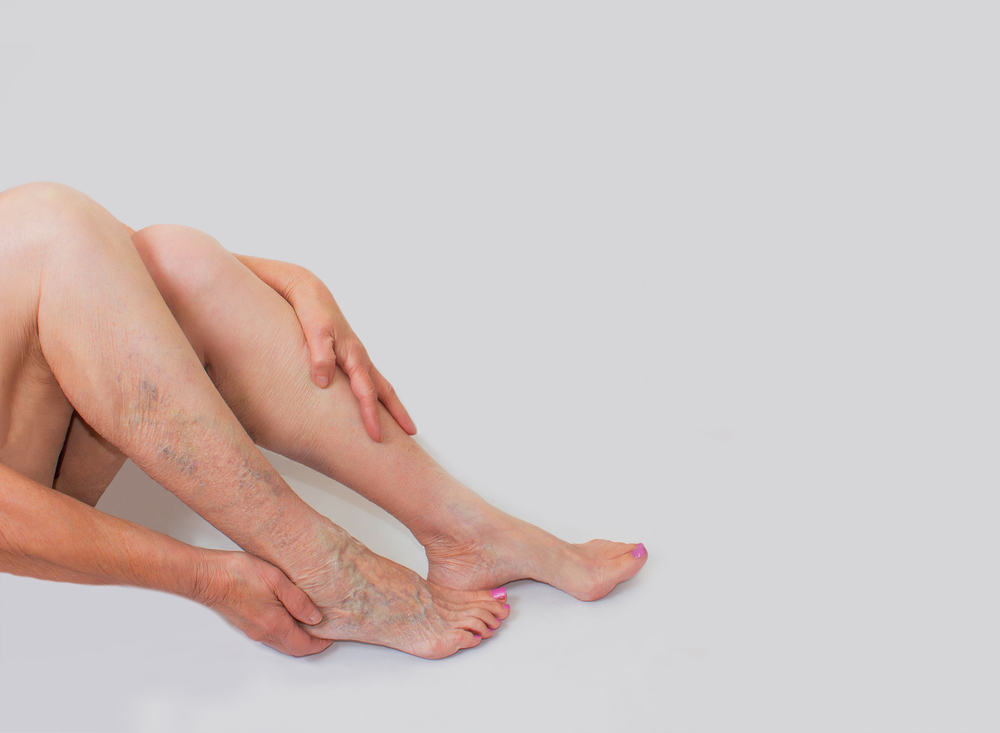
Deep vein thrombosis, or DVT, is a serious condition that occurs when a blood clot forms in a deep vein, most often in the leg. A DVT can cause swelling, pain, tenderness, warmth, or tightness in the affected area. In some cases, symptoms may be mild or hard to recognize, but the condition should always be taken seriously.
At Hill Country Vein Center, patients in New Braunfels, TX, and the San Antonio area receive focused evaluation for symptoms and risk factors related to DVT. Dr. Mark Kneuper is a board-certified General Surgeon with decades of experience serving New Braunfels, and his clinical background supports careful assessment of clot-related concerns, circulation problems, and the need for timely diagnosis.
What Is Deep Vein Thrombosis?
Deep vein thrombosis is a blood clot that forms in one of the body’s deeper veins. It most commonly affects the legs or pelvis. When a clot blocks normal blood flow, it can cause pain, swelling, redness, warmth, or a heavy feeling in the affected leg.
DVT is important to identify because a clot can sometimes break loose and travel to the lungs, causing a pulmonary embolism. This can be life-threatening and requires emergency medical care. Because of this risk, symptoms of DVT should not be ignored or treated as routine leg discomfort.
What Causes Deep Vein Thrombosis?
DVT can develop when blood flow slows, a vein is injured, or the blood has an increased tendency to clot. Long periods of immobility, such as after surgery, during illness, or while traveling, can increase the risk. A clot may also form after leg injury, trauma, or certain medical procedures.
Other risk factors may include a personal or family history of blood clots, pregnancy, hormone therapy, certain birth control medications, smoking, obesity, dehydration, cancer, limited mobility, or inherited clotting disorders. Some patients develop DVT with obvious symptoms, while others have few warning signs.
How Is Deep Vein Thrombosis Treated?
DVT evaluation should happen promptly. Diagnosis often involves a physical exam, a review of medical history, and a duplex ultrasound to detect a clot and assess blood flow in the affected veins. Treatment depends on the clot’s location, severity, symptoms, and the patient’s overall medical history.
Depending on the situation, DVT care may include:
-
Duplex ultrasound evaluation to identify the clot and monitor changes over time
-
Anticoagulant medication management through the appropriate medical provider to help reduce the risk of clot growth or new clot formation
-
Compression therapy, when recommended, to help manage swelling and support circulation
-
Activity and prevention guidance to reduce the risk of future clots
-
Referral or coordination of care when a clot requires urgent, hospital-based, or specialty management
-
Evaluation for underlying vein disease after the acute clot concern has been addressed
If symptoms suggest a possible DVT, it is important to seek medical evaluation quickly. Sudden chest pain, shortness of breath, coughing blood, fainting, or severe symptoms may indicate a pulmonary embolism and require emergency care.
The Benefits Of Deep Vein Thrombosis Treatment
Timely DVT treatment can help reduce the risk of serious complications, including pulmonary embolism and long-term vein damage. Proper care may also help relieve swelling, pain, tightness, and discomfort as the clot is managed and circulation improves.
DVT care is also important for long-term leg health. Some patients develop post-thrombotic symptoms after a clot, including chronic swelling, heaviness, skin discoloration, or discomfort. Careful follow-up can help patients understand their risks and take steps to protect their circulation moving forward.
When To See A Vein Specialist
You should seek prompt medical evaluation if you develop sudden leg swelling, pain, tenderness, redness, warmth, or tightness, especially if symptoms affect one leg more than the other. These symptoms may be related to DVT and should not be ignored.
Call emergency services or seek emergency care right away if you have chest pain, shortness of breath, rapid heartbeat, dizziness, fainting, or coughing blood. These may be signs of a pulmonary embolism.
Why Choose Hill Country Vein Center For Deep Vein Thrombosis Treatment?
DVT requires careful evaluation because its risks differ from those of many other vein conditions. Hill Country Vein Center helps patients identify when symptoms may suggest a clot, when ultrasound evaluation is appropriate, and when urgent or coordinated medical care is needed.
Dr. Mark Kneuper’s background as a board-certified General Surgeon is especially relevant for clot-related concerns, where patient safety, risk assessment, and timely decision-making matter. Patients in New Braunfels, San Antonio, and nearby communities can turn to Hill Country Vein Center for focused evaluation of vein symptoms and guidance on next steps.
What to Expect After DVT Treatment
Treatment does not always end when the immediate clot risk has passed. Some patients need follow-up to monitor lingering swelling, discomfort, or changes in circulation after a DVT. The affected vein may remain damaged even after the clot is no longer considered acute, which can contribute to ongoing symptoms.
Follow-up care may involve:
Patients with ongoing symptoms may benefit from additional vein evaluation after the acute DVT has been appropriately managed. Identifying residual circulation problems can help guide long-term care and determine whether further treatment or monitoring is needed.
Frequently Asked Questions
Yes. Some deep vein thromboses cause noticeable swelling, pain, warmth, or redness, while others produce few or no clear symptoms. Medical evaluation may be appropriate when significant risk factors are present or unexplained changes develop in one leg.
Activity recommendations depend on the individual situation and treatment plan. Once appropriate treatment has begun, some patients may be encouraged to remain mobile rather than stay inactive. A medical provider should determine when walking and other activities are appropriate.
Recovery varies based on the clot’s size and location, the treatment used, and the patient’s overall health. Anticoagulant medication helps prevent the clot from growing while the body gradually breaks it down, and follow-up may be needed to monitor symptoms.
Yes. A previous DVT can increase the risk of developing another clot. The level of risk depends on why the first clot developed, whether ongoing risk factors remain, and whether another medical condition contributed.
Post-thrombotic syndrome can develop when a DVT damages the valves inside a vein. It may cause chronic swelling, aching, heaviness, skin discoloration, or discomfort after the initial clot has been treated.
Compression stockings may help manage swelling or discomfort in some patients, but they are not appropriate for everyone. The type, pressure level, and timing should be based on medical guidance.
Deep Vein Thrombosis Treatment In New Braunfels, TX
Deep vein thrombosis can be serious, and symptoms such as one-sided leg swelling, pain, warmth, or redness should be evaluated promptly. If you are concerned about DVT or ongoing vein-related symptoms, Hill Country Vein Center in New Braunfels, TX, can help guide your next step.
Call Hill Country Vein Center at (830) 625-6258 today to schedule a consultation. For chest pain, shortness of breath, fainting, or symptoms of a possible pulmonary embolism, seek emergency medical care immediately.