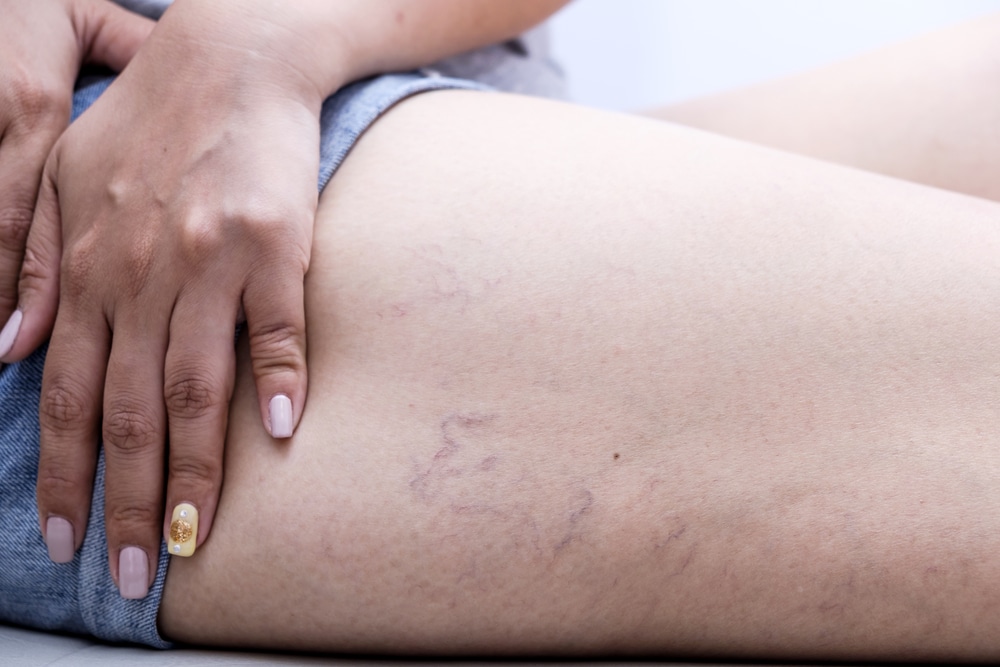
Spider veins are small, visible blood vessels that appear close to the surface of the skin. They often look like thin red, blue, or purple lines and may form a web-like pattern on the legs, ankles, or face. While spider veins are often considered cosmetic, some people also experience burning, itching, mild aching, or discomfort after prolonged standing or sitting.
At Hill Country Vein Center, patients in New Braunfels, TX, and the San Antonio area receive focused vein care from Dr. Mark Kneuper, a board-certified General Surgeon with a special interest in office-based vein treatment. The practice evaluates spider veins carefully to determine whether they are only a surface concern or part of a larger vein circulation issue.
What Are Spider Veins?
Spider veins, also called telangiectasias, are tiny damaged blood vessels that become visible beneath the skin. They are usually smaller than varicose veins and do not bulge above the surface in the same way. Many people seek treatment because spider veins affect the appearance of the legs, but they can also come with symptoms such as itching, stinging, or leg fatigue.
Although spider veins are not always dangerous, they may appear alongside reticular veins, varicose veins, or signs of chronic venous insufficiency. A vein evaluation can help determine whether treatment should focus only on visible veins or whether deeper vein problems should also be addressed.
What Causes Spider Veins?
Spider veins can develop when small blood vessels weaken, widen, or experience increased pressure. Genetics is one of the most common factors. If spider veins run in your family, you may be more likely to develop them over time.
Other contributing factors include aging, pregnancy, hormonal changes, prolonged standing or sitting, sun exposure, and prior vein issues. Spider veins are common in people whose work keeps them on their feet for long hours, and they may become more noticeable with time. On the legs, they can sometimes be connected to underlying vein valve problems that affect circulation.
How Are Spider Veins Treated?
Spider vein treatment begins with an evaluation of the visible veins and any related symptoms. If there are signs of deep vein disease, diagnostic imaging, such as ultrasound, may be recommended before treatment. This helps make sure the treatment plan addresses the right problem.
Depending on your needs, treatment may include:
-
Visual sclerotherapy to treat small spider veins by injecting a solution that causes the vein to close and fade over time
-
Ultrasound-guided foam sclerotherapy for veins that are harder to see or connected to deeper feeding veins
-
Compression therapy to support circulation and help manage symptoms when appropriate
-
Additional vein evaluation if spider veins are accompanied by swelling, heaviness, varicose veins, or skin changes
Spider vein treatment is typically performed in the office with little downtime. Treated veins gradually fade as the body absorbs them, and multiple sessions may be recommended depending on the number, size, and location of the veins.
The Benefits Of Spider Vein Treatment
Spider vein treatment can improve the appearance of visible red, blue, or purple veins and help patients feel more comfortable showing their legs. For patients with symptoms, treatment may also reduce mild burning, itching, aching, or localized discomfort.
Evaluation is especially important when spider veins appear with other signs of vein disease. Identifying and treating contributing circulatory issues can support better long-term results and reduce the risk of untreated vein problems worsening.
When To See A Vein Specialist
You should consider seeing a vein specialist if your spider veins are spreading, causing discomfort, or appearing alongside leg heaviness, swelling, cramping, varicose veins, or skin discoloration. These symptoms may suggest that the visible veins are part of a larger circulation concern.
A specialist can determine whether cosmetic spider vein treatment is appropriate or whether additional testing is needed first. This is especially helpful if you have a history of vein disease, pregnancy-related vein changes, blood clots, or a strong family history of varicose or spider veins.
Why Choose Hill Country Vein Center For Spider Vein Treatment?
Spider vein treatment requires precision, especially when visible veins may be connected to deeper circulation issues. At Hill Country Vein Center, care is led by Dr. Mark Kneuper, a board-certified General Surgeon with a special interest in office-based vein management.
Dr. Kneuper is a Fellow of the American College of Surgeons and a member of the American College of Phlebology. His clinical background helps guide careful evaluation before treatment, so patients receive recommendations based on both appearance and vein health. Hill Country Vein Center provides focused care for spider veins for patients in New Braunfels, San Antonio, and surrounding areas.
Spider Vein Treatment In New Braunfels, TX
Spider veins can affect your comfort, confidence, and skin appearance. If you are bothered by visible spider veins or symptoms such as itching, burning, or aching, Hill Country Vein Center in New Braunfels, TX, can help you understand your options.
Call Hill Country Vein Center at (830) 625-6258 today to schedule a consultation. The practice serves patients from New Braunfels, San Antonio, and nearby Hill Country communities with focused spider vein evaluation and treatment.