Endovenous radiofrequency ablation, often called RFA, is a minimally invasive vein treatment used to close diseased veins that are causing varicose veins, swelling, heaviness, aching, and other symptoms of venous insufficiency. The procedure uses controlled radiofrequency energy to heat and seal the affected vein, allowing blood to reroute through healthier veins.
At Hill Country Vein Center, patients in New Braunfels, TX, and the San Antonio area receive RFA treatment planning based on careful evaluation and ultrasound findings. Care is led by Dr. Mark Kneuper, a board-certified General Surgeon with a special interest in office-based varicose vein management. His experience helps patients understand whether RFA is an appropriate option for their vein condition.
What Is Endovenous Radiofrequency Ablation?
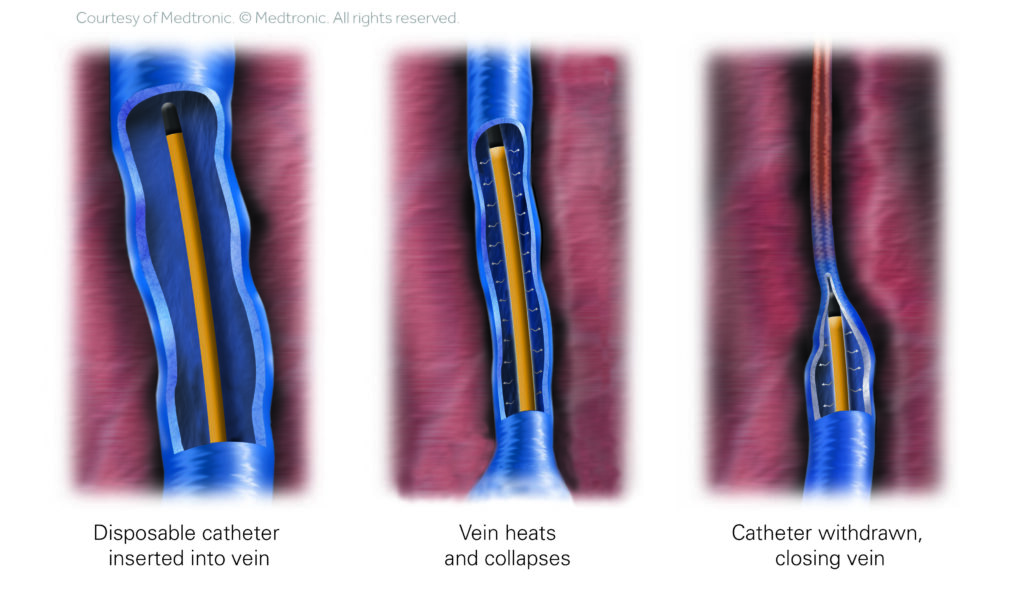
Endovenous radiofrequency ablation is an in-office procedure that treats vein disease at its source. Instead of removing the vein surgically, RFA closes the diseased vein from within. Once the vein is sealed, blood naturally moves through nearby healthy veins, helping reduce pressure in the legs.
RFA is commonly used to treat venous reflux, a condition that occurs when damaged vein valves allow blood to flow backward and pool in the legs. By closing the problem vein, RFA can help relieve symptoms and improve circulation.
What Does Endovenous Radiofrequency Ablation Treat?
RFA may be recommended for patients with varicose veins or symptoms caused by chronic venous insufficiency. These symptoms often worsen after prolonged standing or sitting and may improve with leg elevation.
RFA may help treat:
-
Varicose veins caused by venous reflux
-
Leg aching, heaviness, or fatigue
-
Swelling in the lower legs or ankles
-
Cramping or throbbing related to vein disease
-
Skin irritation or discoloration caused by poor circulation
-
Symptoms that have not improved enough with conservative care
A vein evaluation and duplex ultrasound help determine whether RFA is the right treatment option.
How Does Endovenous Radiofrequency Ablation Work?
RFA is performed using ultrasound guidance. A small access point is made in the skin, and a thin catheter is placed inside the diseased vein. Local anesthesia is used to help keep the patient comfortable during the procedure.
The treatment process generally includes:
-
Ultrasound mapping to locate the diseased vein and guide the procedure
-
Local anesthesia to numb the treatment area
-
Catheter placement inside the affected vein
-
Controlled radiofrequency energy to heat and seal the vein wall
-
Compression and walking guidance after treatment to support circulation and recovery
The procedure is usually completed in the office and does not require general anesthesia. Most patients are able to return to normal light activity soon after treatment, although specific instructions may vary.
The Benefits Of Endovenous Radiofrequency Ablation
RFA offers an effective way to treat the underlying vein problem rather than only managing symptoms. For many patients, it can reduce leg pain, heaviness, swelling, and fatigue, and improve the appearance of varicose veins over time.
Because RFA is minimally invasive, it typically involves small access points, local anesthesia, and limited downtime. Closing the diseased vein can also help reduce ongoing venous pressure, which may support long-term leg comfort and help prevent worsening vein-related symptoms.
When To See A Vein Specialist
You should consider seeing a vein specialist if you have varicose veins with aching, heaviness, swelling, cramping, itching, or skin discoloration. Symptoms that worsen throughout the day or improve when you elevate your legs may also suggest venous insufficiency.
A specialist can determine whether your symptoms are caused by refluxing veins and whether RFA, conservative care, or another treatment option may be appropriate.
Why Choose Hill Country Vein Center For Endovenous Radiofrequency Ablation?
RFA depends on accurate ultrasound evaluation and precise treatment of the diseased vein. Hill Country Vein Center uses a focused diagnostic approach to identify venous reflux and determine whether radiofrequency ablation is the right option for each patient.
Dr. Mark Kneuper is a board-certified General Surgeon and Fellow of the American College of Surgeons with decades of experience serving New Braunfels patients. His special interest in office-based management of varicose veins supports careful procedure planning, patient education, and treatment focused on alleviating symptoms at their source.
Endovenous Radiofrequency Ablation In New Braunfels, TX
Endovenous radiofrequency ablation can help treat varicose veins and symptoms of venous insufficiency with a minimally invasive, office-based approach. If you are dealing with leg pain, heaviness, swelling, or visible varicose veins, Hill Country Vein Center in New Braunfels, TX, can help you understand whether RFA is right for you.
Call Hill Country Vein Center at (830) 625-6258 today to schedule a consultation. The practice serves patients from New Braunfels, San Antonio, and surrounding Hill Country communities with focused evaluation and treatment for vein disease.